
Lead-Acid vs. Lithium-Ion: Which Industrial Battery Is Right for Your Facility?
April 22, 2026 2:08 pmChoosing the right battery technology for your facility is one of the most consequential decisions a warehouse or operations manager can make. The debate over lead-acid vs lithium-ion batteries has intensified in recent years as lithium-ion technology has dropped in price and expanded in availability. Both options power millions of forklifts, pallet jacks, automated guided vehicles, and other warehouse battery systems around the world. But they differ significantly in cost, performance, maintenance requirements, and long-term value.
Understanding those differences is the key to making a smart investment for your operation.
The Basics: How Each Battery Technology Works
Lead-acid batteries have been the backbone of industrial power for well over a century. They work by using a chemical reaction between lead plates and sulfuric acid to generate electrical current. They are proven, widely available, and relatively inexpensive to purchase upfront. Flooded lead-acid batteries, the most common type used in industrial settings, require regular watering, ventilation during charging, and periodic equalization charges to maintain performance.
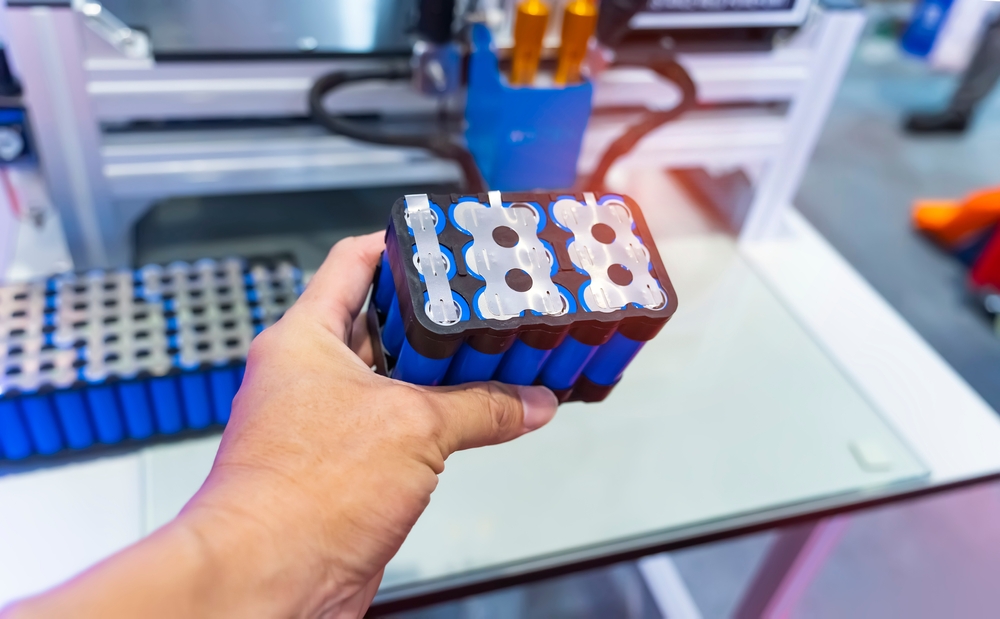
Lithium-ion batteries, on the other hand, store energy through the movement of lithium ions between electrodes. This process is far more efficient, generates less heat, and degrades more slowly over time. Lithium-ion cells are sealed units that require no watering and produce no hydrogen gas during charging, which eliminates many of the safety and environmental concerns associated with flooded lead-acid designs. The technology has matured rapidly, and today it powers everything from electric vehicles to large-scale warehouse battery systems in distribution centers operated by some of the largest logistics companies in the world.
Upfront Cost vs. Long-Term Value
One of the most common sticking points in the lead-acid vs lithium-ion batteries conversation is purchase price. Lead-acid battery packs for industrial forklifts can cost anywhere from $2,000 to $6,000 depending on voltage and capacity. Comparable lithium-ion packs often run two to three times that amount at the point of purchase. For facilities managing large fleets, that gap in upfront cost can feel like a significant barrier.
However, total cost of ownership tells a different story. Lithium-ion batteries typically last two to four times longer than their lead-acid counterparts. A well-maintained lead-acid battery might deliver 1,000 to 1,500 charge cycles before its capacity degrades to the point of needing replacement. Lithium-ion batteries routinely reach 2,000 to 3,000 cycles or more. When you spread the purchase price across the usable life of the battery, the cost per cycle often favors lithium-ion in high-use environments.
There are additional savings to consider as well. Lithium-ion batteries charge faster and do not require opportunity charging pauses of the same length. They can be opportunity charged during breaks without the memory effect or capacity loss that affects lead-acid batteries under similar conditions. Multi-shift operations that previously needed spare battery packs to swap out throughout the day may be able to operate with fewer batteries total when switching to lithium-ion technology.
Industrial Battery Maintenance: A Critical Comparison
Industrial battery maintenance is a major operational consideration that often gets underestimated during the purchasing process. Lead-acid batteries demand a structured and ongoing maintenance program. Flooded cells must be watered regularly, typically once per week depending on usage intensity, to keep the electrolyte levels above the lead plates. Failure to water on schedule leads to sulfation, a condition where sulfate crystals form on the plates and permanently reduce battery capacity.
Beyond watering, lead-acid batteries require equalization charges on a monthly or bimonthly basis to balance cell voltages and prevent stratification of the electrolyte. Batteries must be charged in designated areas equipped with proper ventilation systems because the charging process releases hydrogen gas, which is flammable and poses a safety risk if allowed to accumulate. Battery terminals need to be inspected and cleaned regularly to prevent corrosion from interfering with electrical connections. All of this demands staff time, dedicated infrastructure, and consistent training.
Lithium-ion batteries dramatically simplify industrial battery maintenance. Because they are sealed units, there is no watering, no electrolyte management, and no off-gassing to contend with. They can be charged almost anywhere on the floor without special ventilation requirements. Their battery management systems (BMS) monitor cell health automatically and balance charge levels internally. This frees up maintenance staff to focus on other tasks and reduces the risk of performance loss due to improper care. For facilities that struggle with maintenance compliance or high staff turnover, this is a meaningful practical advantage.
Performance Under Real Warehouse Conditions
Performance in real-world warehouse conditions is where the comparison between lead-acid vs lithium-ion batteries becomes especially compelling for high-throughput operations. Lead-acid batteries lose voltage as they discharge. A forklift running on a lead-acid battery at 50 percent charge is operating with noticeably less power than it had at full charge. This voltage sag affects lift performance, travel speed, and operator productivity throughout the shift. Most operations guidelines recommend swapping lead-acid batteries before they drop below 20 to 30 percent state of charge to avoid damaging the cells.
Lithium-ion batteries maintain a much flatter discharge curve. A lithium-ion powered forklift delivers consistent voltage and consistent performance from the beginning of the shift to near the end. Operators experience less fatigue, fewer slowdowns, and more predictable equipment behavior. In tightly managed warehouse environments where throughput targets are critical, this consistency translates directly to productivity gains.
Temperature performance is another area of differentiation. Lead-acid batteries are sensitive to both heat and cold, with capacity dropping significantly in low-temperature environments such as refrigerated warehouses and cold storage facilities. Lithium-ion batteries are generally more tolerant of cold conditions, though they also have thermal limits and benefit from proper battery management systems that regulate charging in extreme environments.
Charging speed is perhaps the most operationally impactful performance difference. Most lithium-ion industrial batteries can reach an 80 percent charge in one hour or less. Conventional lead-acid batteries require eight hours for a full charge, followed by a mandatory cooling period before they can be put back into service. For multi-shift operations, this translates to a need for multiple battery packs per vehicle with lead-acid technology, while lithium-ion often allows a single battery to support continuous operations across shifts.
Choosing the Right Battery for Your Facility
Selecting between lead-acid vs lithium-ion batteries ultimately comes down to your specific operational profile. Single-shift operations with low to moderate throughput and a well-established industrial battery maintenance program may find that lead-acid batteries continue to offer acceptable performance at a lower upfront cost. If your team already has the watering stations, ventilation infrastructure, and training programs in place, the transition to lithium-ion may not be urgent.
For multi-shift operations, cold storage environments, facilities with rapid growth plans, or warehouses where battery maintenance compliance has been a persistent challenge, lithium-ion represents a compelling upgrade. The productivity gains from consistent voltage output, faster charging, and simplified maintenance add up quickly in high-demand settings. As lithium-ion pricing continues to decline and more manufacturers offer drop-in replacement packs compatible with existing charger infrastructure, the financial case for making the switch continues to strengthen.
Fleet size matters too. Facilities managing dozens or hundreds of vehicles stand to gain the most from the reduced maintenance overhead and extended service life that lithium-ion warehouse battery systems provide. Smaller operations with just a handful of vehicles may see a longer payback period and should model their specific usage data carefully before committing.
Conclusion
Both lead-acid and lithium-ion batteries remain viable options for industrial applications, but the gap in performance, maintenance simplicity, and long-term value is narrowing in favor of lithium-ion for most modern warehouse environments. Evaluating your facility’s shift patterns, maintenance capabilities, and total cost of ownership over a five to ten year horizon will give you the clearest picture of which technology best supports your operational goals.
Need Industrial Battery Supply in Jefferson, WI?
Remis Power Systems Inc has been a family-owned and operated business since 1980. We have become an industry-leading supplier of industrial batteries and chargers. We proudly maintain an impressive inventory of new and certified reconditioned Deka products for all your industrial battery needs. When you do business with, Remis Power Systems, you will find honest and experienced professionals who see things your way! We recognized each one of you had different needs and will work with you to customize our services to your needs. Whether you are in the market for a new or used battery, service program or unplanned service breakdown, we will be there to find the right solution for YOU! Contact us today!
Categorised in: Batteries
This post was written by admin
Comments are closed here.